
Rodzaje kart plastikowych
Jak dotąd, klasyfikacja i rodzaje kart plastikowych oraz ich nazewnictwo nie zostały jednoznacznie opracowane. Branża kartowa jest stosunkowo młodą gałęzią gospodarki, a jej szybki rozwój przypada na ostatnie dziesięciolecia. Dlatego też, żadne szacowne grono nie zajęło się usystematyzowaniem nazw i klasyfikacją kart plastikowych. Jednym słowem, w tej dziedzinie rządzi rynek, który w swoim tempie i czasie wprowadza wciąż nowe nazwy i weryfikuje stare.
Z uwagi na mnogość rodzajów kart, można podzielić je na wiele sposobów: ze względu na budowę, materiał, charakterystykę lub funkcję. Jednakże ujednolicenie nazewnictwa i podziału jest konieczne ze względu na możliwość pomyłki w wyborze odpowiedniego produktu i systemu. Poniżej przedstawiamy ogólny podział kart biorąc pod uwagę ich charakterystykę.
Rodzaje kart plastikowych w klasyfikacji popularnej
Karty plastikowe zwykłe
- standardowe CR80 białe i kolorowe
- poza standardowe CR79, CR90 CR100
- samoprzylepne
Karty elektroniczne (procesorowe)
- karty procesorowe
- karty stykowe, znane też jako chipowe: hybrydowe lub dualne
- zbliżeniowe np.: Mifare, Desfire, iClass, Unique, Prox i in.
- wielosystemowe
- z paskiem magnetycznym
Karty Plastikowe Zwykłe
Są zbudowane jak kanapka złożona z kilku cienkich warstw plastiku. Ponieważ technologia ich produkcji jest prosta, dlatego produkt końcowy jest powtarzalny, trwały i łatwy w użyciu. A więc, odpowiednio dobrane płyty plastiku są zgrzewane ze sobą pod ciśnieniem i w wysokiej temperaturze. Następnie prasa z wykrojnikiem tnie zgrzane płyty na karty o ściśle określonym rozmiarze np CR80, CR79, CR100.
Rodzaje kart plastikowych ze względu na tworzywo
Najczęściej stosowanym tworzywem do produkcji kart plastikowych jest PVC. Ponieważ kart PVC jest najwięcej, więc są one najtańsze. Również inne tworzywa, takie jak: poliwęglan, polietylen, ABS, PET a także tworzywa mieszane są używane do produkcji kart, chociaż na znacznie mniejszą skalę.
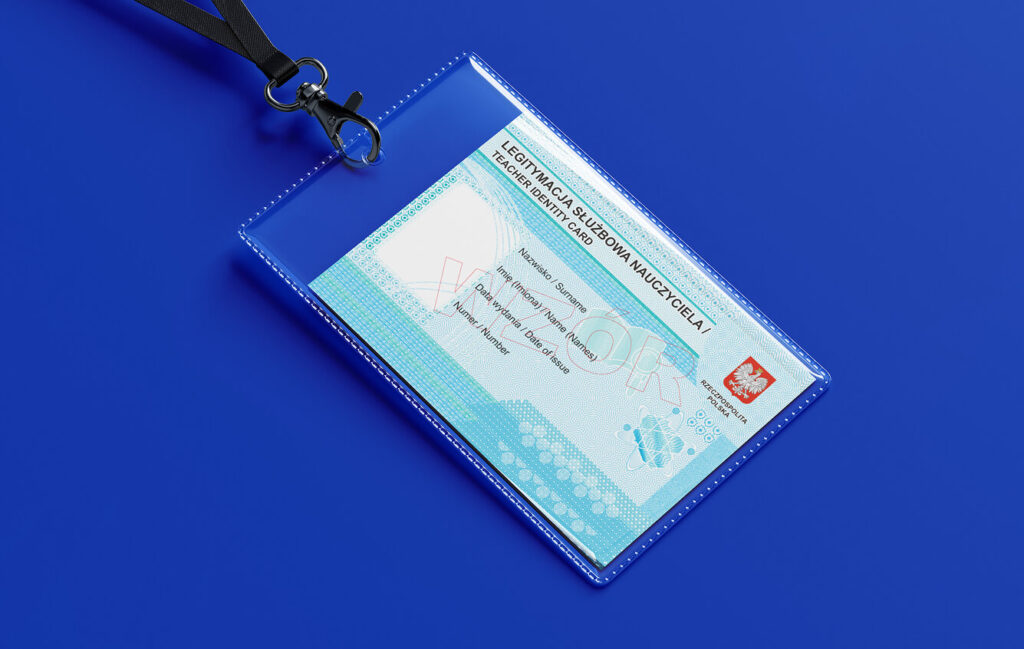
Karty plastikowe używane jako legitymacje lub identyfikatory mają nadrukowane informacje personalne: nazwę firmy, logo, dane osobowe, zdjęcie itp. Ponieważ są to często dane wrażliwe, dobrze jest zabezpieczyć je przed fałszerstwem. Ze względu na prostotę i elegancję karty plastikowe są zabezpieczane folią lub taśmą holograficzną lub holomarkiem.
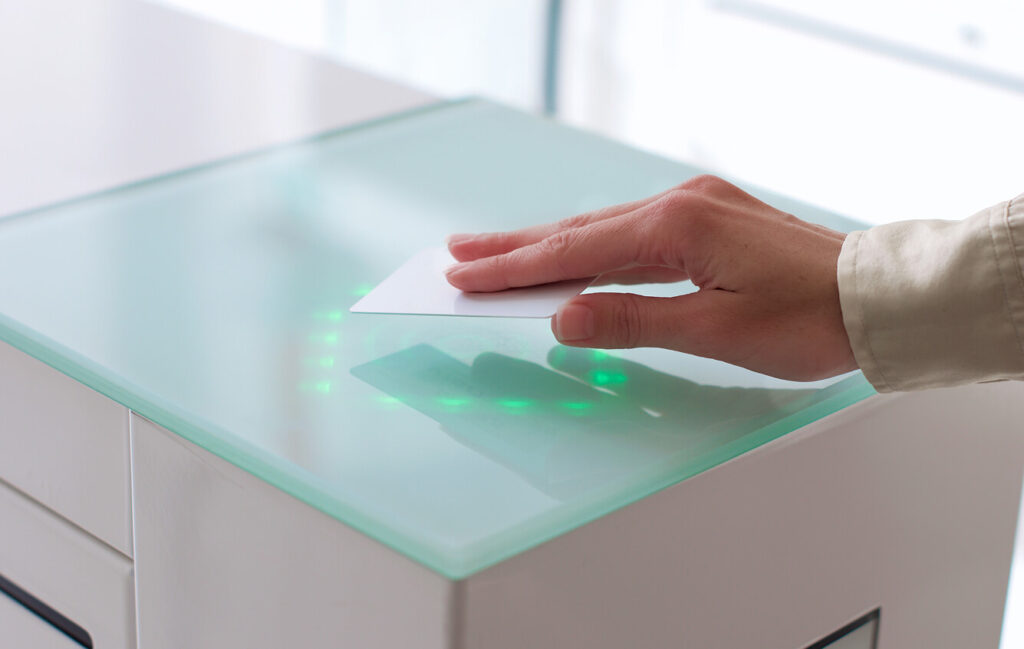
Karty zwykłe, bez nośnika danych, używane są jako proste identyfikatory, karty stałego klienta, karty lojalnościowe, karty bankowe. A także w prostych systemach kontroli dostępu, jeśli umieścimy na karcie kod kreskowy.
Najpopularniejsze są karty białe, o powtarzalnym w każdej partii odcieniu głębokiej bieli i gładkiej powierzchni High Quality. Jak bardzo jest to ważne i dlaczego – przeczytaj w innej zakładce Wiedzy .
Innym, często kupowanym i używanym rodzajem kart plastikowych są karty samoprzylepne. Oczywiście w karcie samoprzylepnej awers jest taki sam, jak w karcie białej. Natomiast rewers wykonany jest z papieru lub mylaru z specjalną warstwą silnego kleju. Warstwa papieru / mylaru łatwo odchodzi od karty po podważeniu paznokciem, a sama karta samoprzylepna trwale przylega do karty matki. Dzięki kartom samoprzylepnym znacznie wydłuża się życie drogich kart elektronicznych, takich jak karty procesorowe lub karty hybrydowe.
Konkretne przykłady kart plastikowych znajdziesz w zakładce Karty Plastikowe oraz na stronach CSAdams.
Różne nazwy i rodzaje kart plastikowych: karty stykowe, karty hybrydowe, karty procesorowe i inne, przyprawiają wiele osób o ból głowy i bywają powodem nieporozumień biznesowych. Zwłaszcza w codziennej praktyce często mamy do czynienia z pomyłkami kart.
Karty wielosystemowe
Są to karty elektroniczne wyposażone w co najmniej dwa niezależne mikroprocesory, bez połączenia między nimi, a więc są to karty hybrydowe. Zazwyczaj posiadają kilka interfejsów (stykowy, zbliżeniowy) i kilka nośników danych. Do tej kategorii zaliczają się np. karty stykowe z MIFARE, lub MIFARE DESFIRE EV3 Prox.
Takie karty spełniają jednocześnie kilka funkcji, mają zastosowanie np. w identyfikacji, dostępie logicznym, fizycznym, w różnych systemach i programach. Karty wielosystemowe mają zwykle wysoki poziom bezpieczeństwa.
Karty wielosystemowe HID oferują wiele korzyści
- Przede wszystkim bezpieczeństwo. Implementacja najwyższych standardów w zakresie zabezpieczeń i funkcji prywatności.
- Oraz interoperacyjność kart, które są kompatybilne z istniejącymi, starszymi instalacjami.
- I co najważniejsze, wielozadaniowość. A więc wsparcie dla ekosystemu aplikacji i przypadków użycia poza bezpieczeństwem fizycznym.
Zastosowanie kart wielosystemowych
Jeśli chodzi o zastosowanie, to karty hybrydowe są stosowane szczególnie w systemach i dziedzinach wymagających dużej pamięci, wysokiego poziomu bezpieczeństwa i wielu interfejsów. I tak wykorzystuje się je w bankowości, w publicznym transporcie, jako karty identyfikacyjne, legitymacje studenckie i doktoranta (ELS, ELD, ELSNA i in.) i w systemach kontroli dostępu.
Różne rodzaje kart plastikowych i konkretne przykłady kart wielosystemowych znajdziesz w zakładce Karty Plastikowe oraz na stronach CSAdams.
This is the first item’s accordion body. It is shown by default, until the collapse plugin adds the appropriate classes that we use to style each element. These classes control the overall appearance, as well as the showing and hiding via CSS transitions. You can modify any of this with custom CSS or overriding our default variables. It’s also worth noting that just about any HTML can go within the .accordion-body, though the transition does limit overflow.
This is the first item’s accordion body. It is shown by default, until the collapse plugin adds the appropriate classes that we use to style each element. These classes control the overall appearance, as well as the showing and hiding via CSS transitions. You can modify any of this with custom CSS or overriding our default variables. It’s also worth noting that just about any HTML can go within the .accordion-body, though the transition does limit overflow.
This is the first item’s accordion body. It is shown by default, until the collapse plugin adds the appropriate classes that we use to style each element. These classes control the overall appearance, as well as the showing and hiding via CSS transitions. You can modify any of this with custom CSS or overriding our default variables. It’s also worth noting that just about any HTML can go within the .accordion-body, though the transition does limit overflow.
Słowniczek pojęć
- Standard MIFARE:
- Lorem ipsum dolor sit amet, consectetur adipiscing elit, sed do eiusmod tempor incididunt ut labore et dolore magna aliqua
- Karty hybrydowe:
- Lorem ipsum dolor sit amet, consectetur adipiscing elit, sed do eiusmod tempor incididunt ut labore et dolore magna aliqua
- Karty dualne:
- Lorem ipsum dolor sit amet, consectetur adipiscing elit, sed do eiusmod tempor incididunt ut labore et dolore magna aliqua